Diving Havana
Havana is best known for its rich history and remarkable architecture. Colonial buildings, historic fortresses, churches, and the cathedral are scattered throughout the city, while Old Havana is a UNESCO World Heritage Site. There is plenty to explore on land—but what about diving?
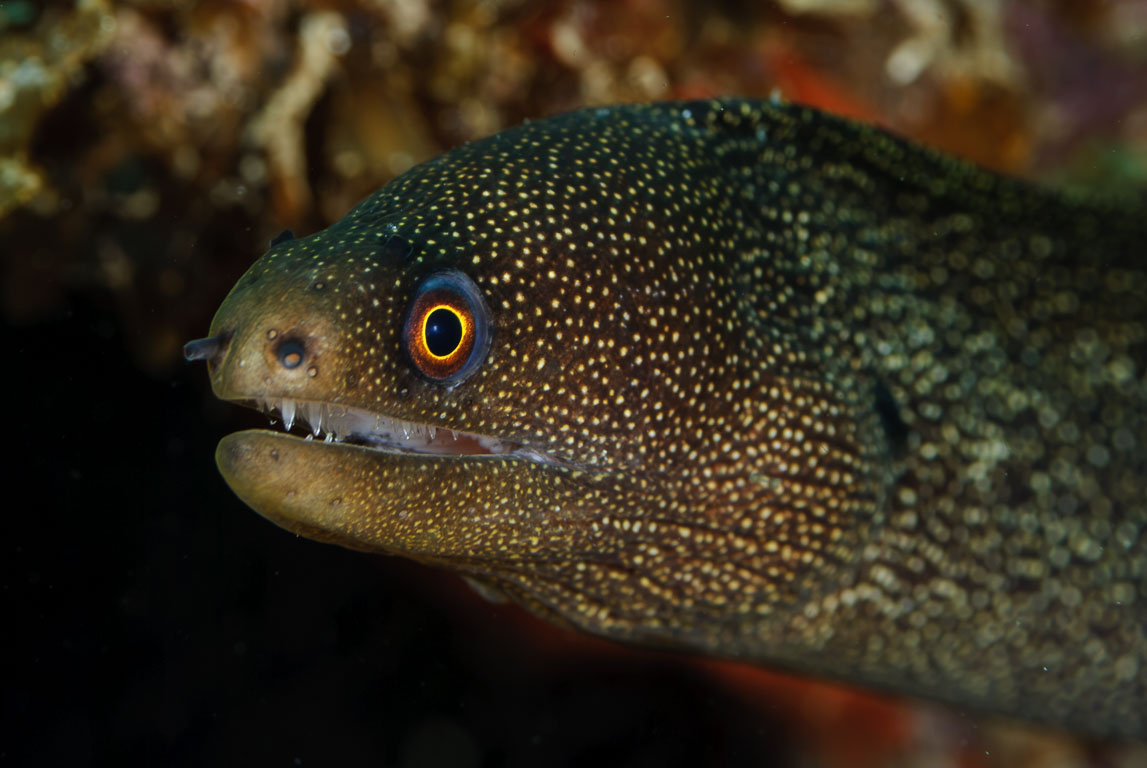
With a metropolitan population of more than two million people, a large commercial harbour, and the Almendares River flowing into the sea, Havana has a much greater human impact on its coastal waters than Cuba's more remote diving areas. During my dives, coral growth appeared more limited and larger reef fish were relatively uncommon, presumably reflecting the effects of urban development and fishing pressure.
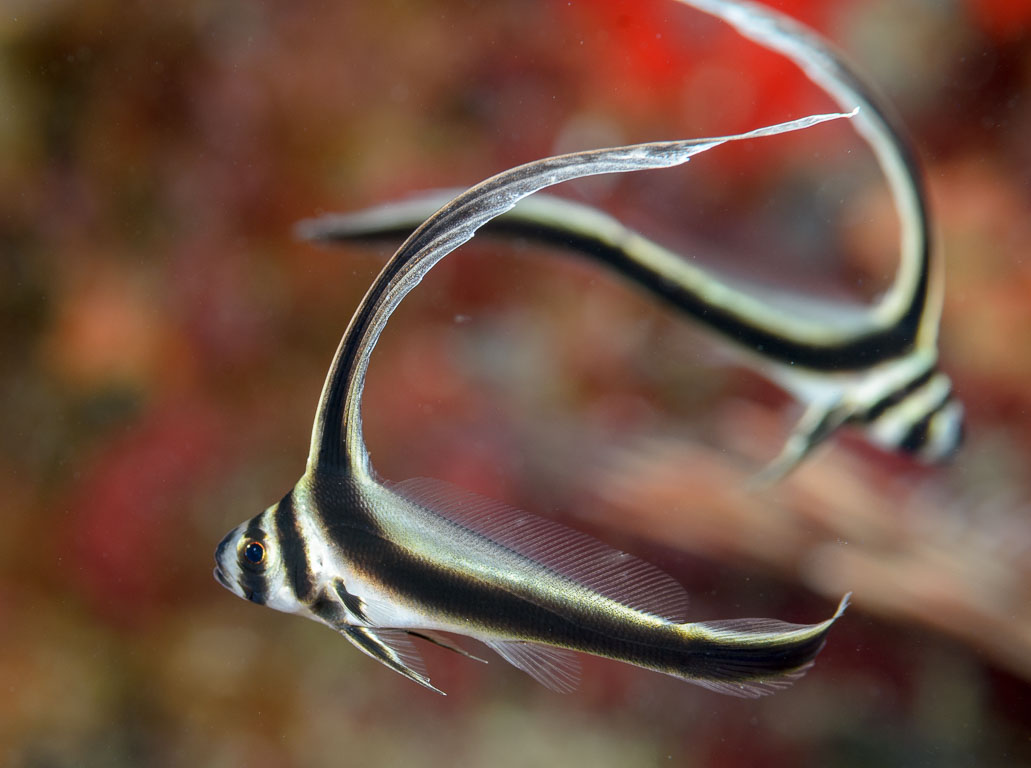
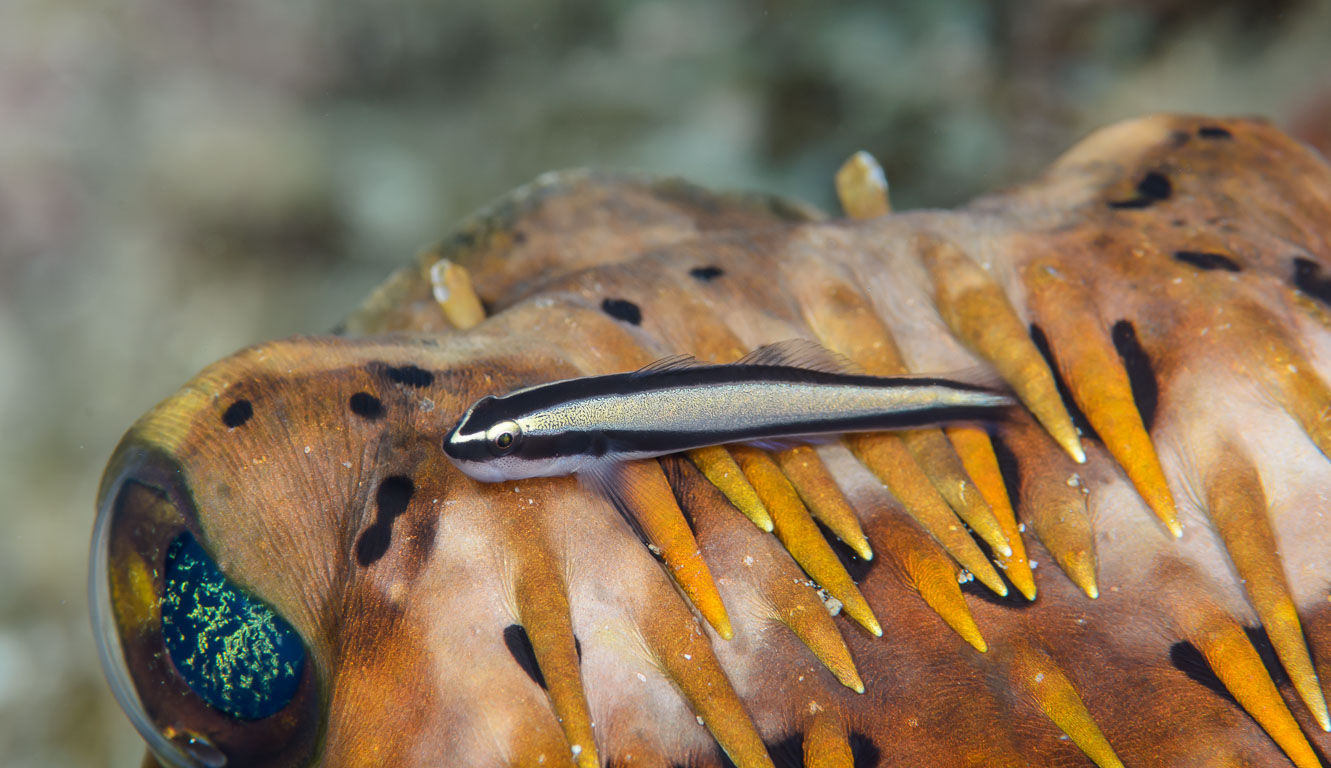
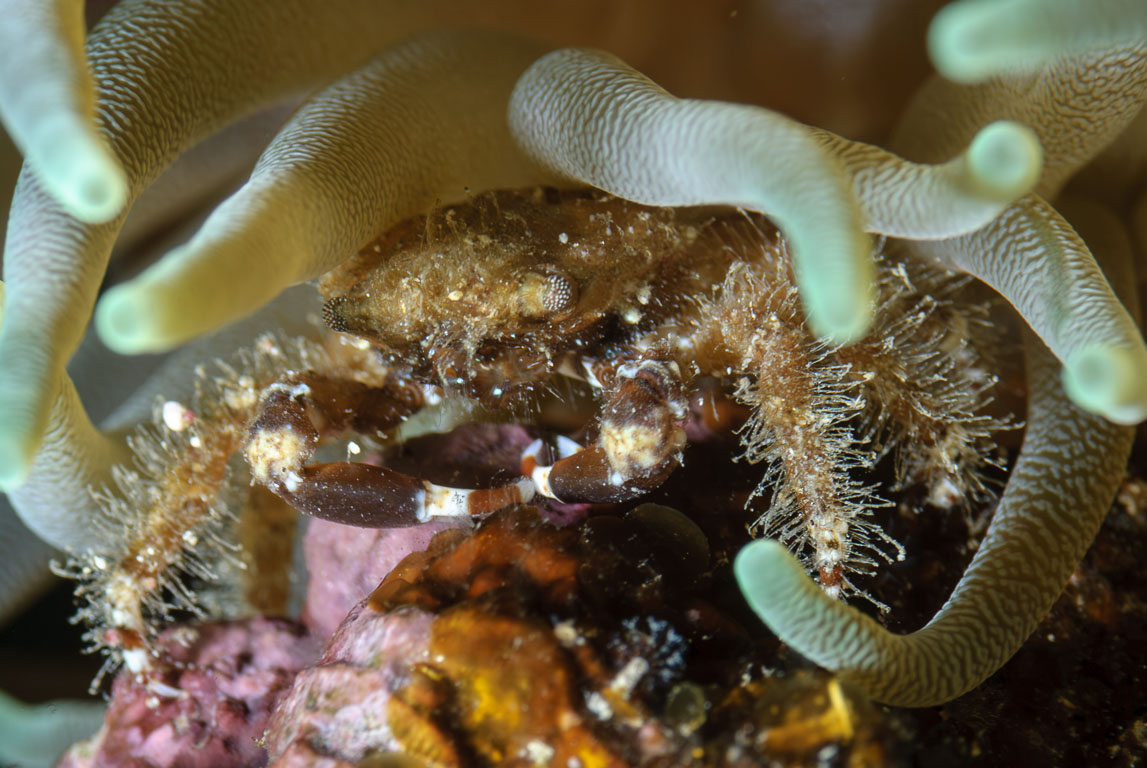
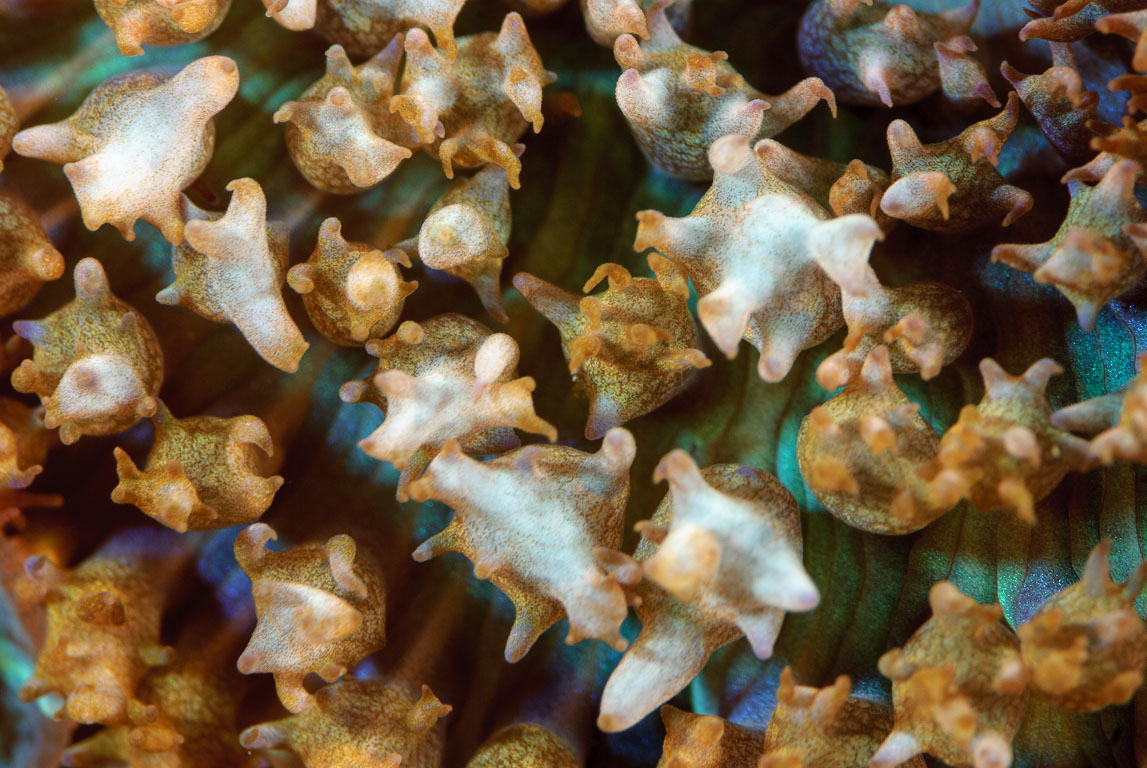
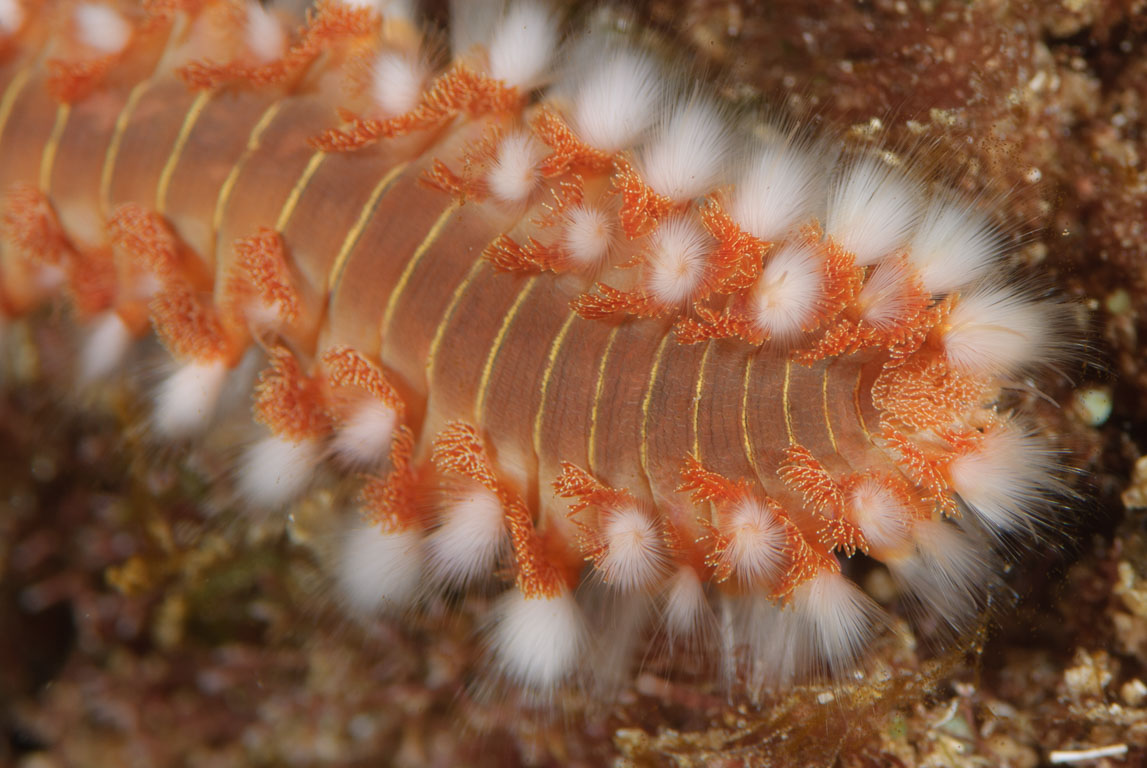
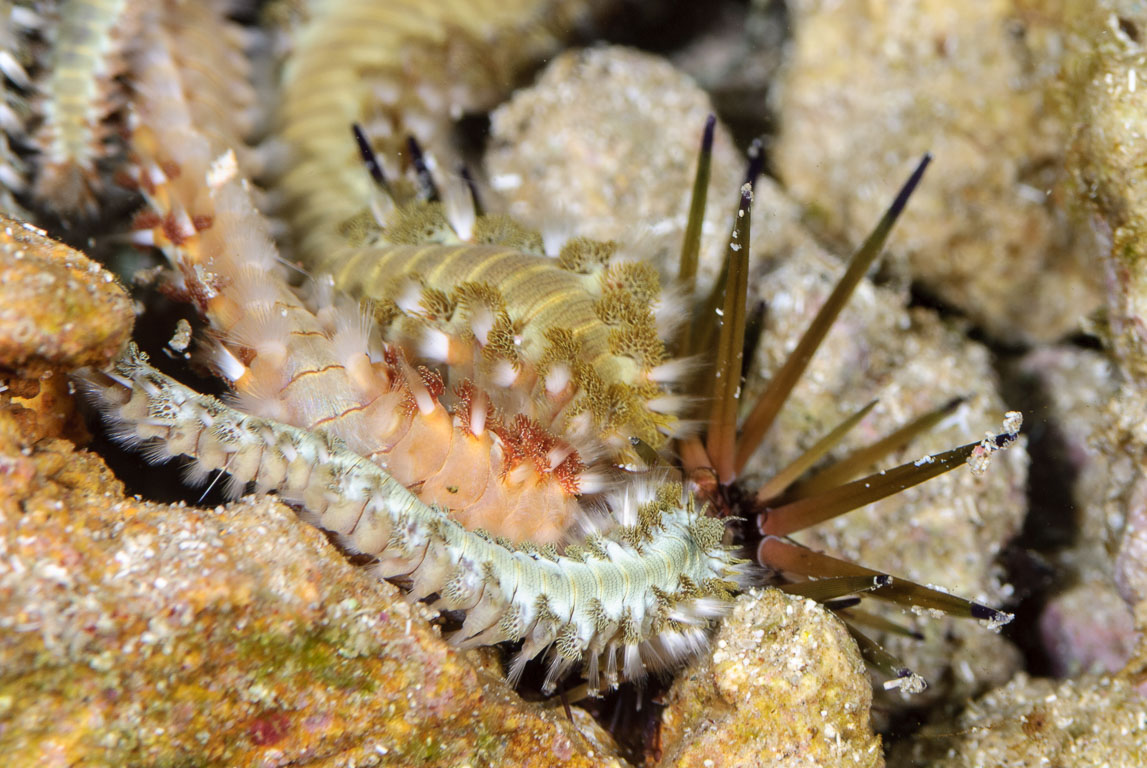
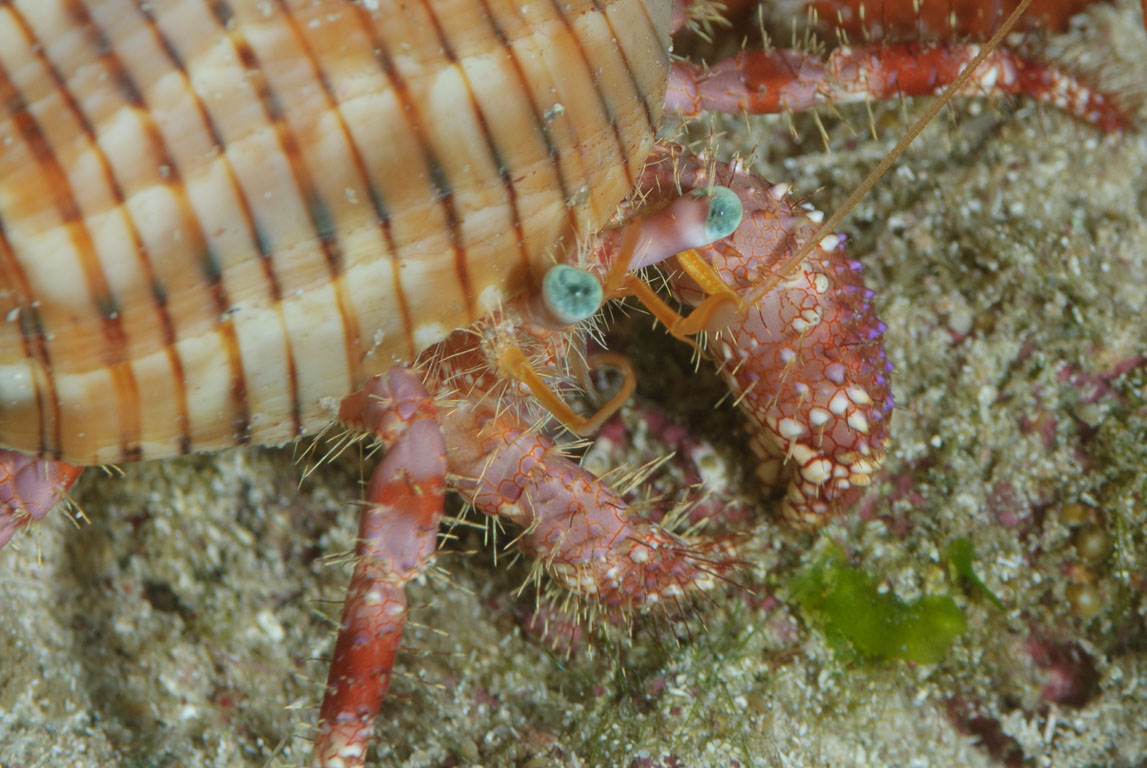
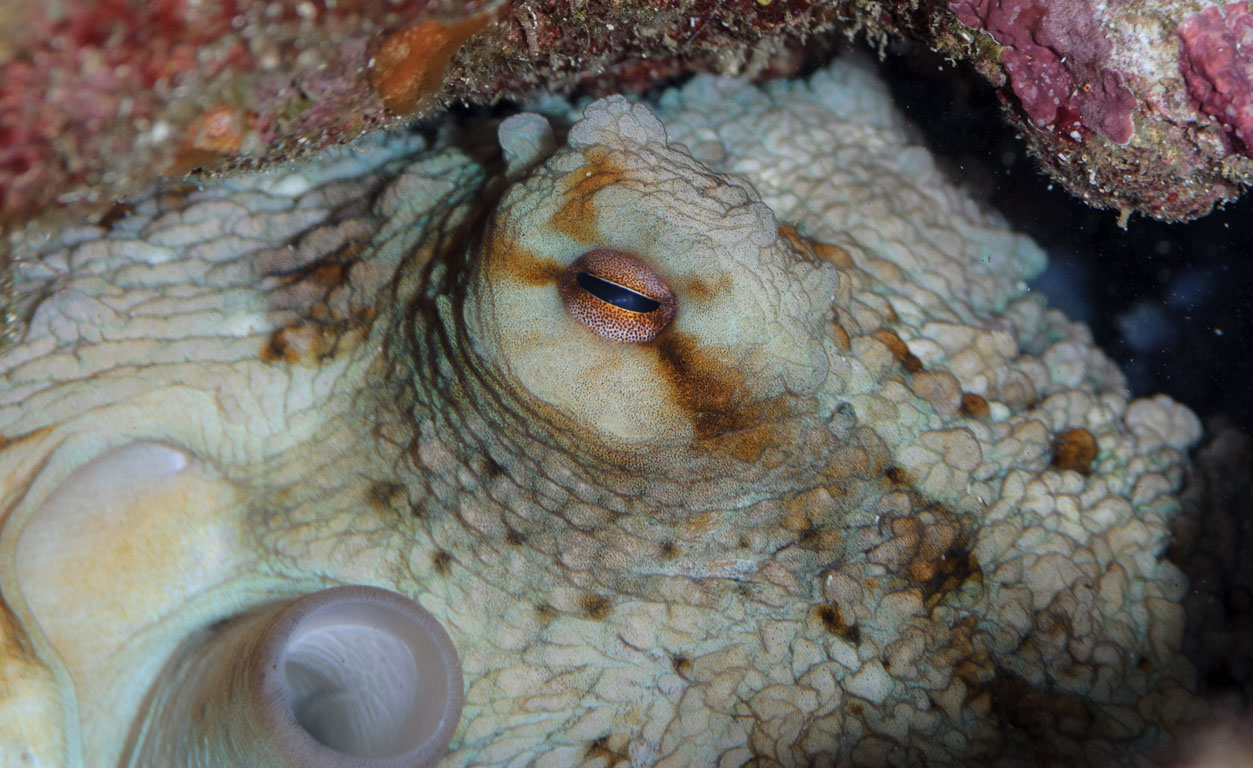
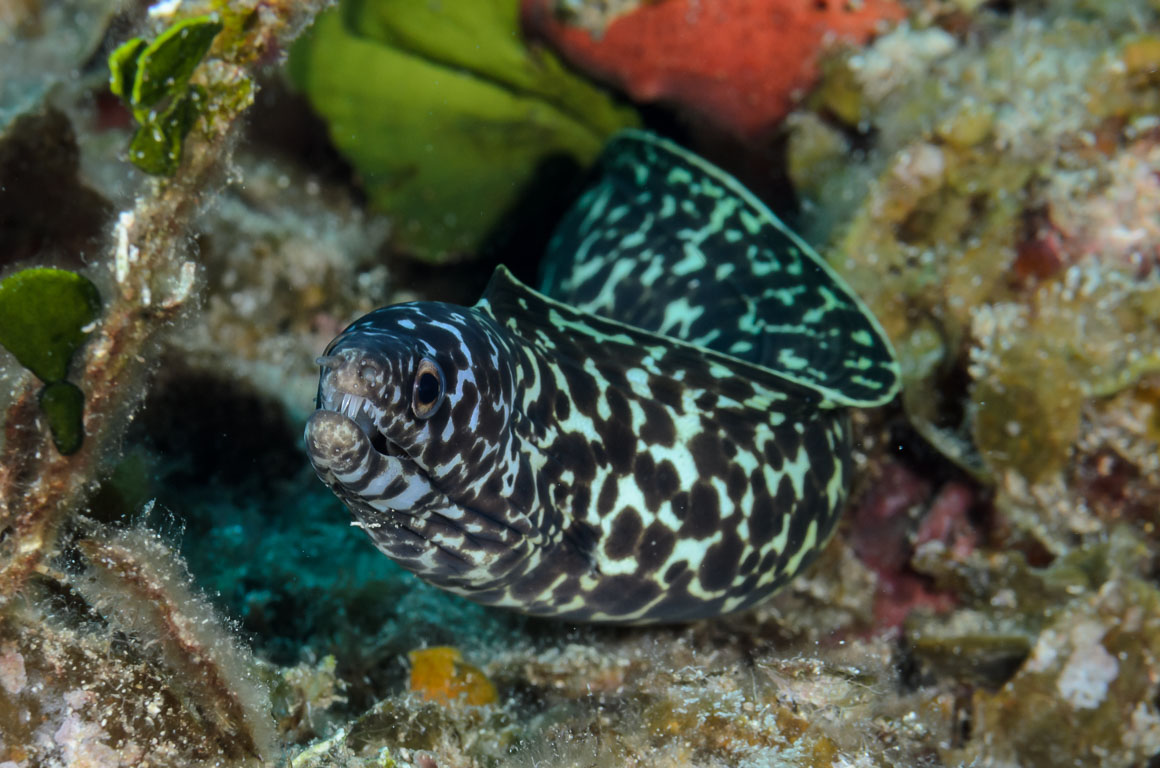
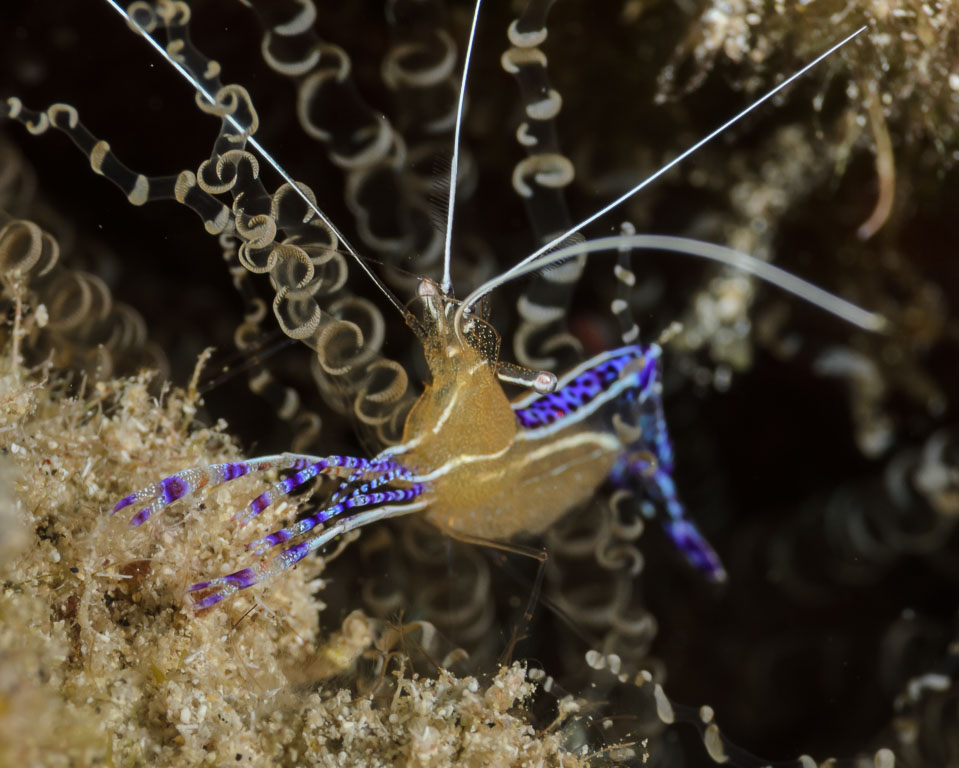
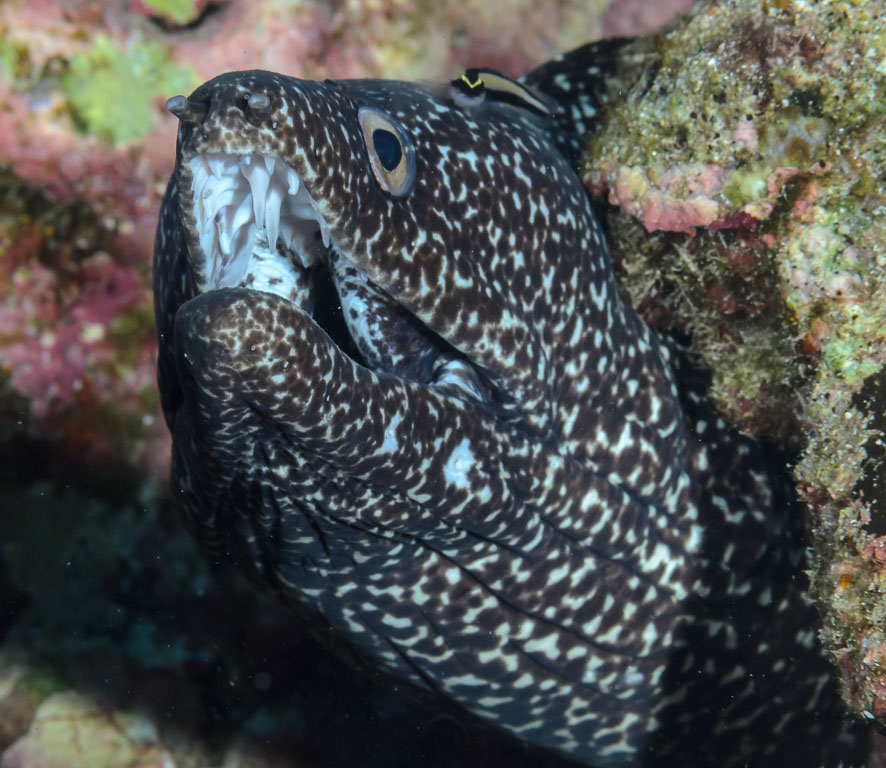
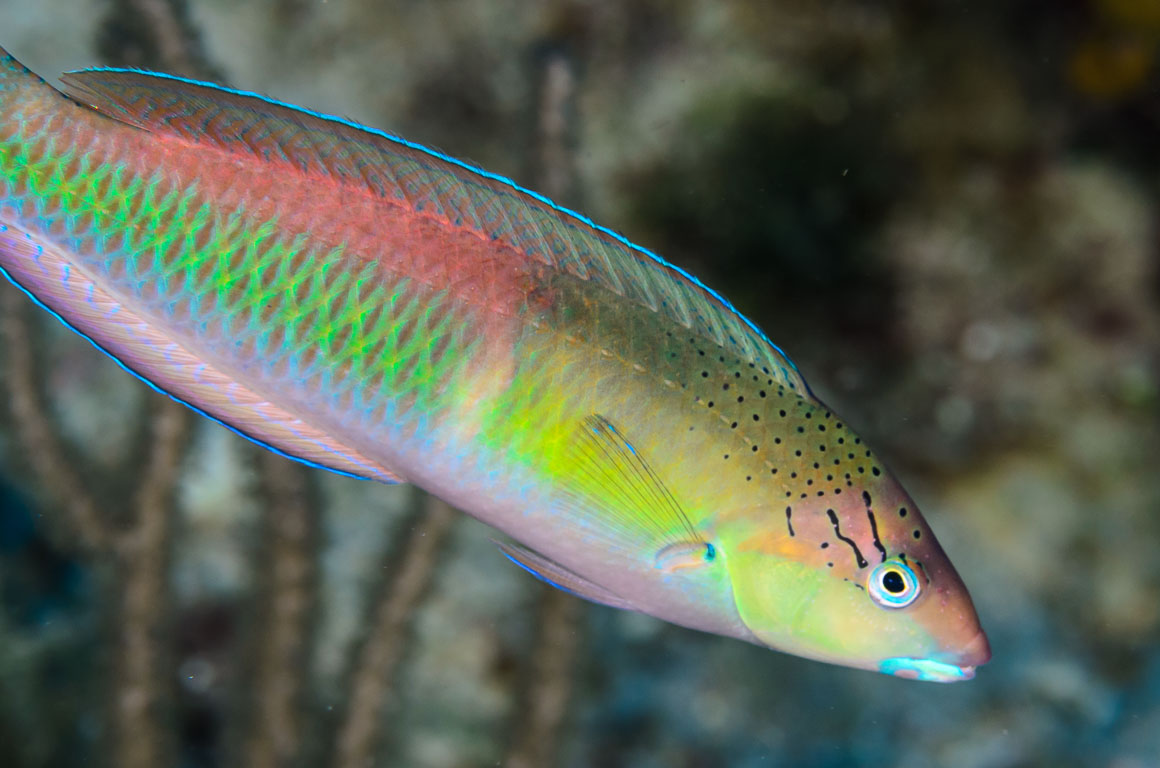
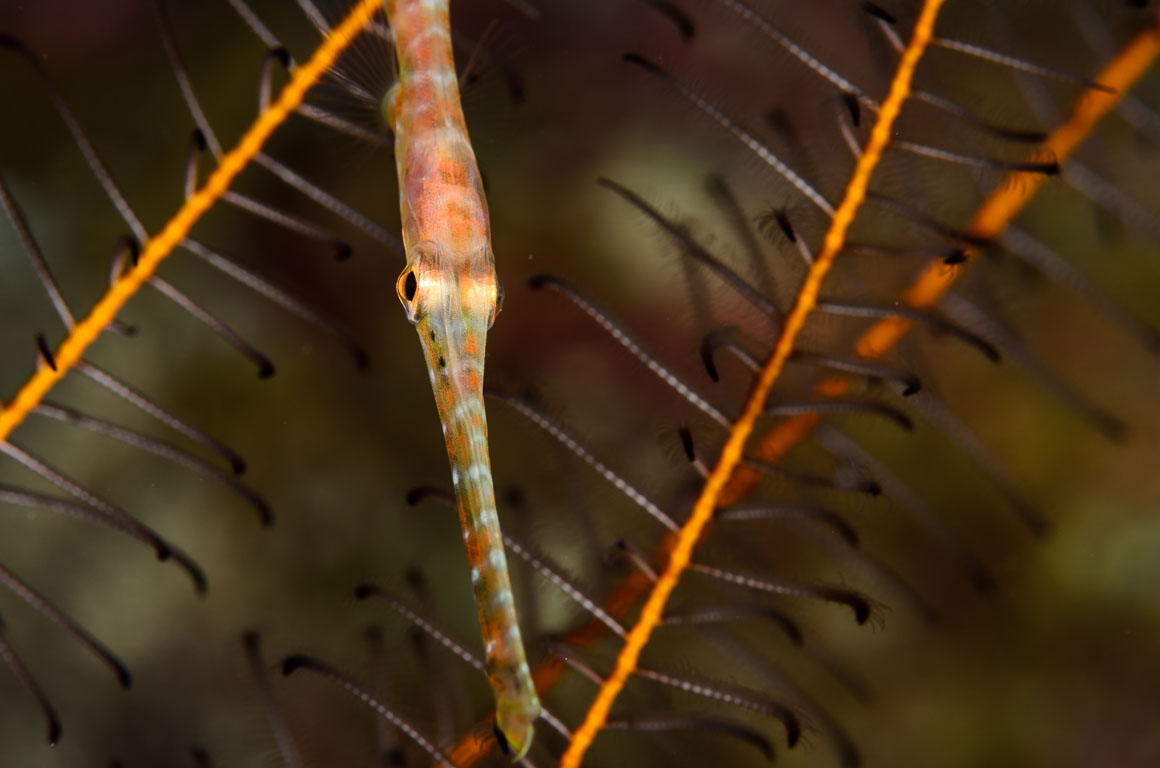
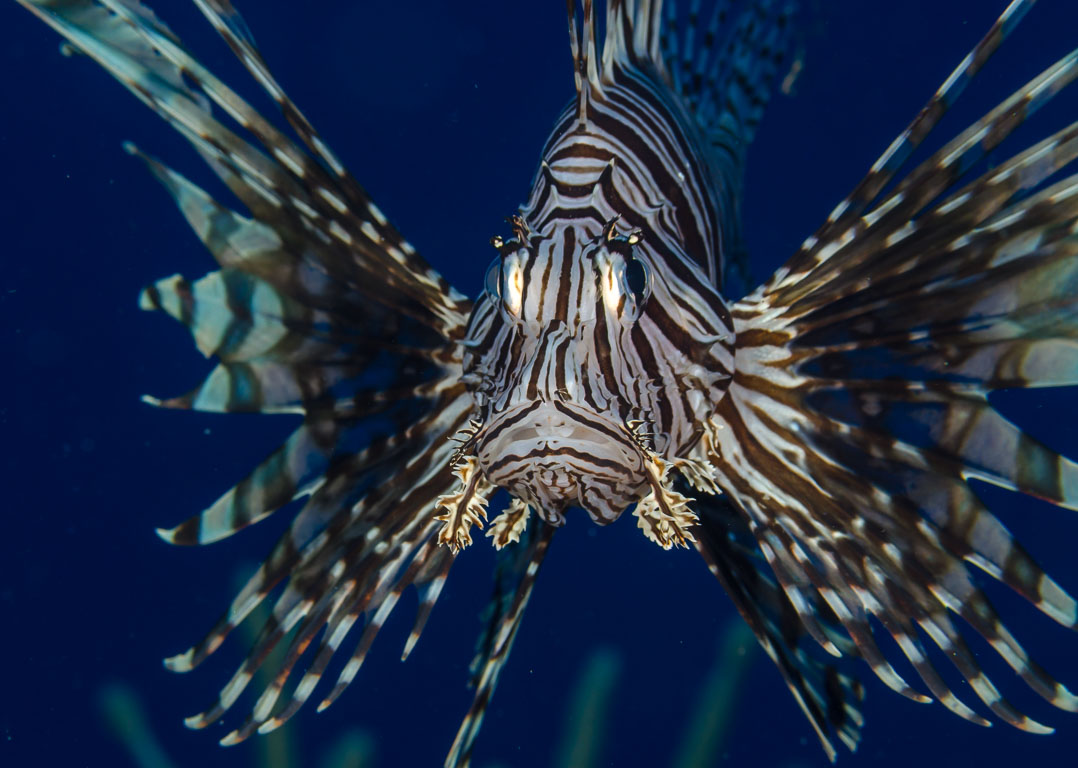
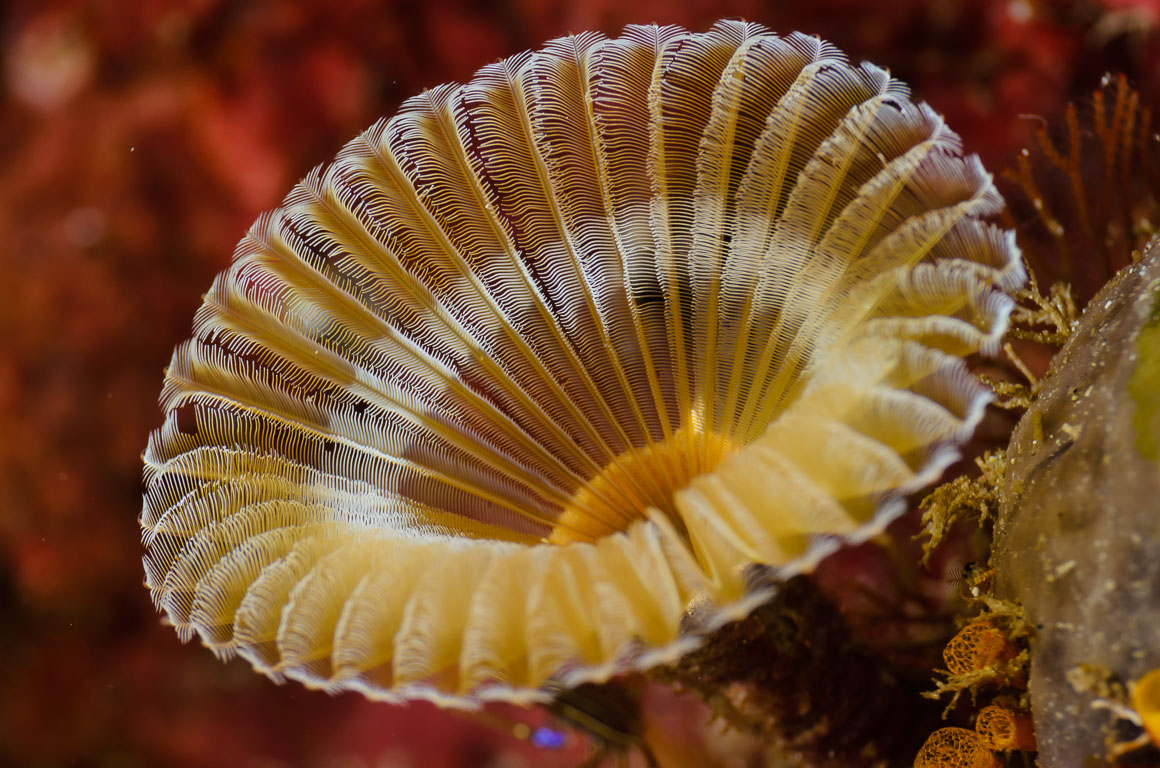
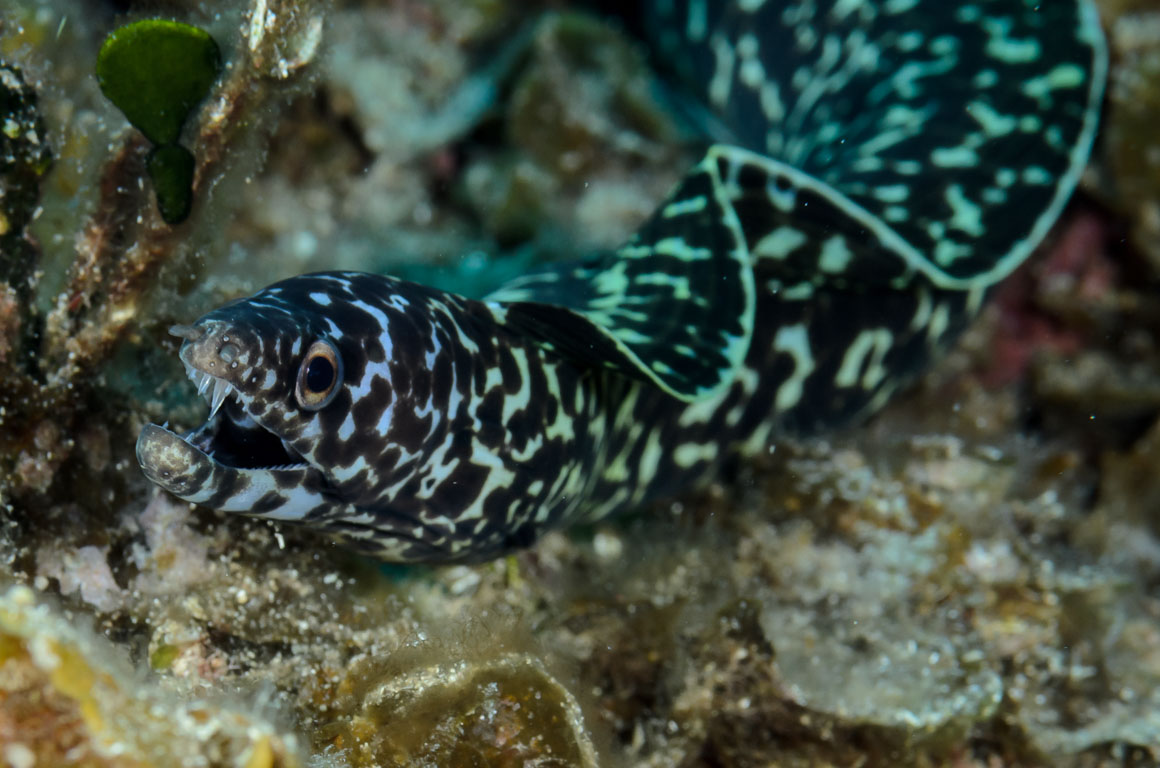
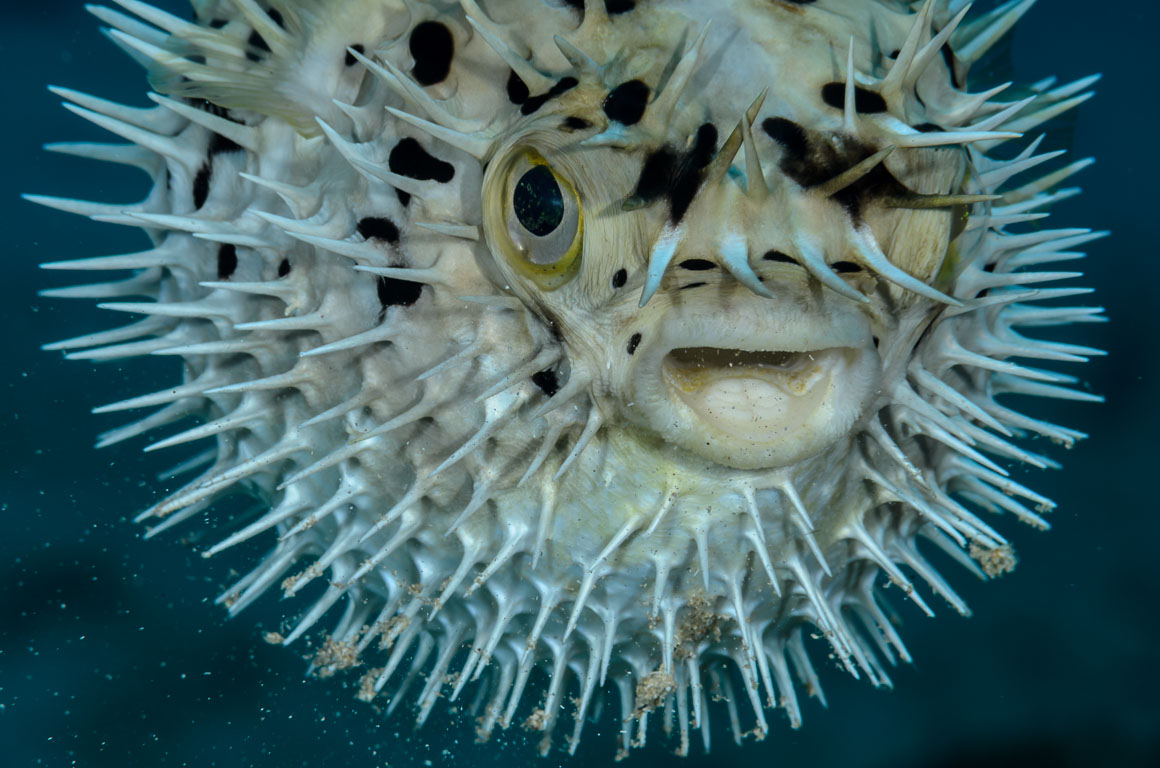
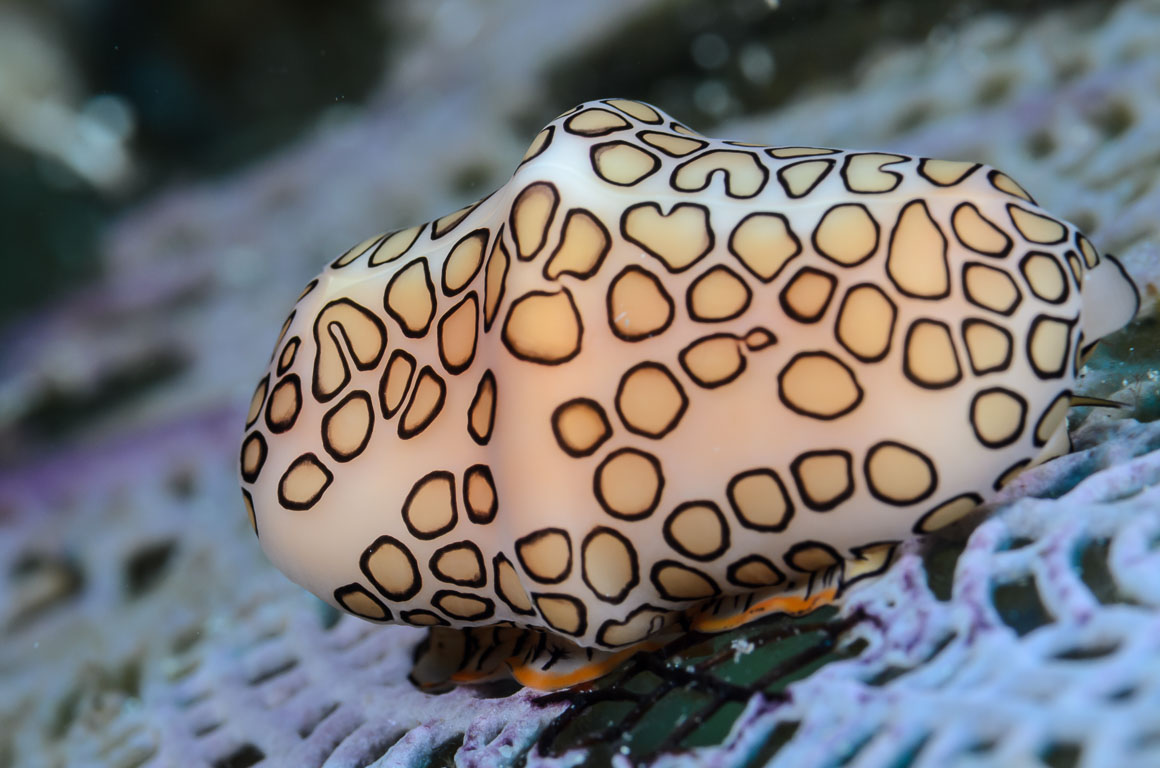
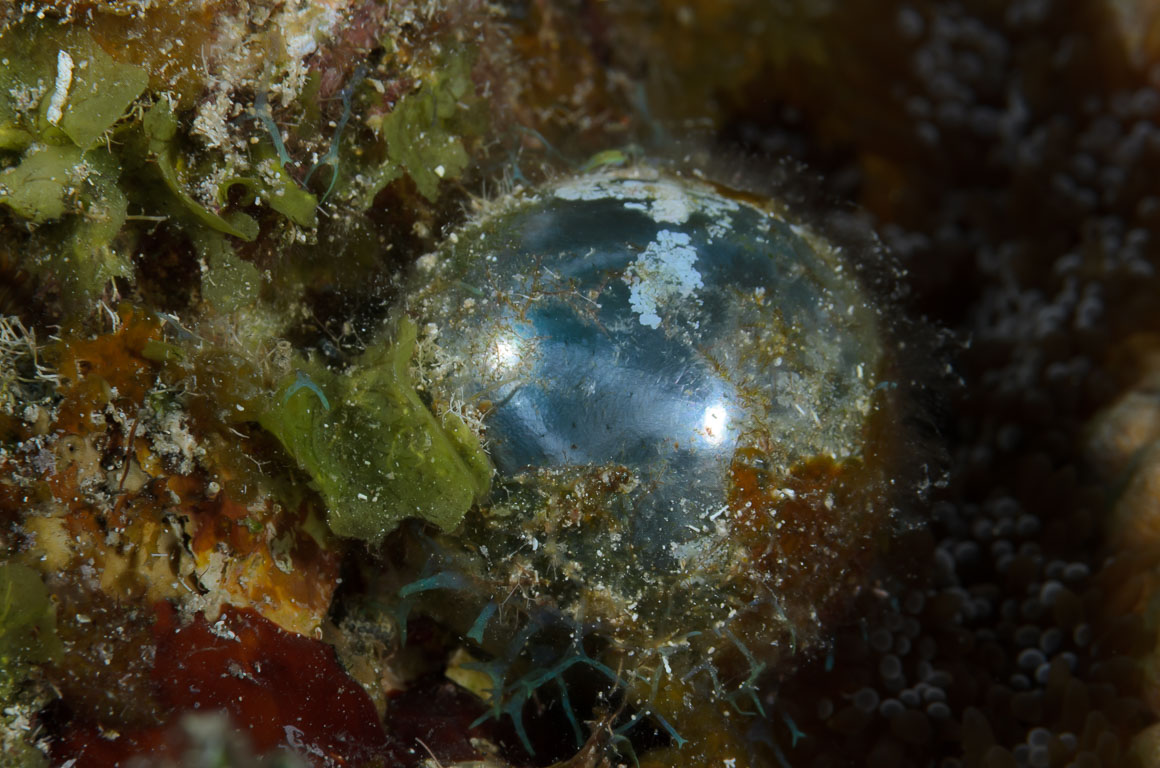
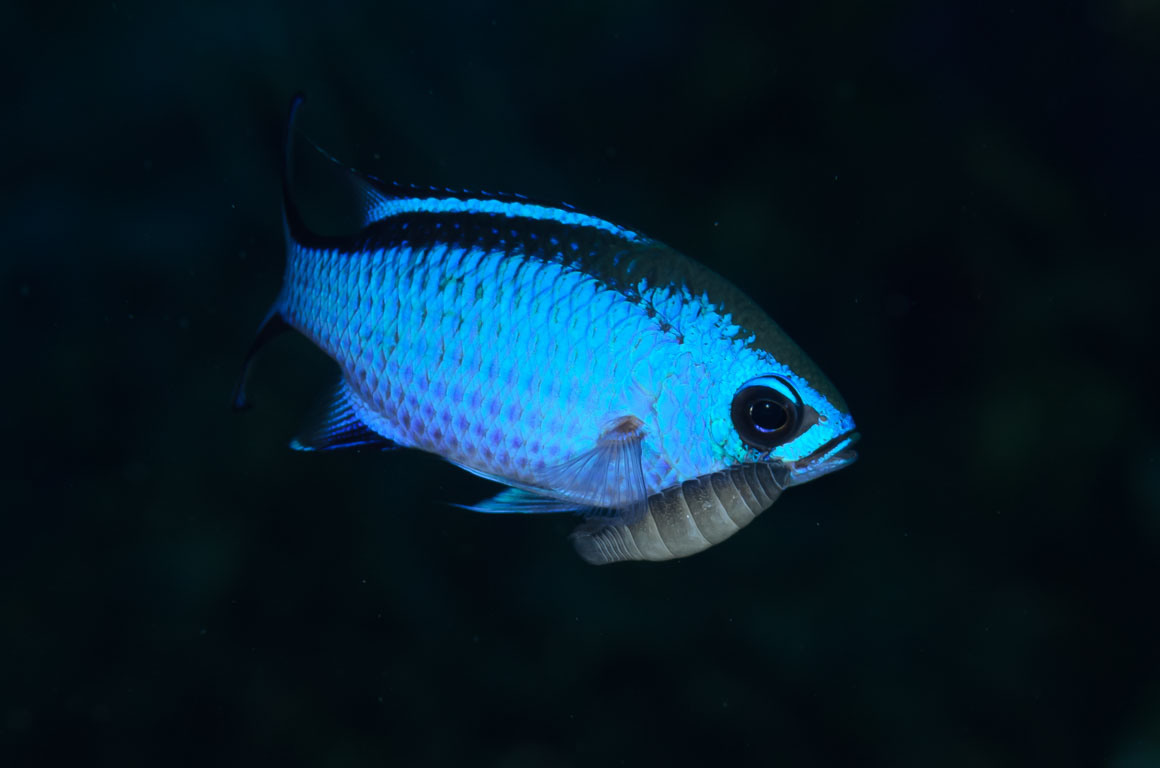
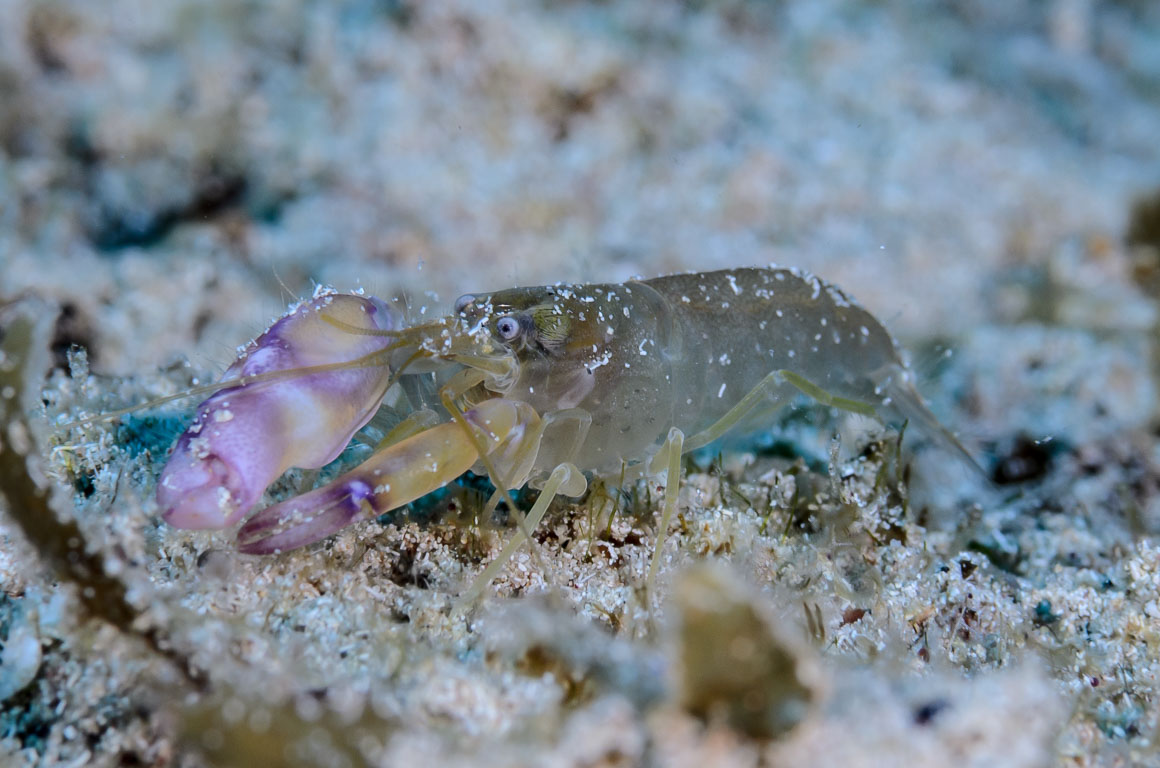
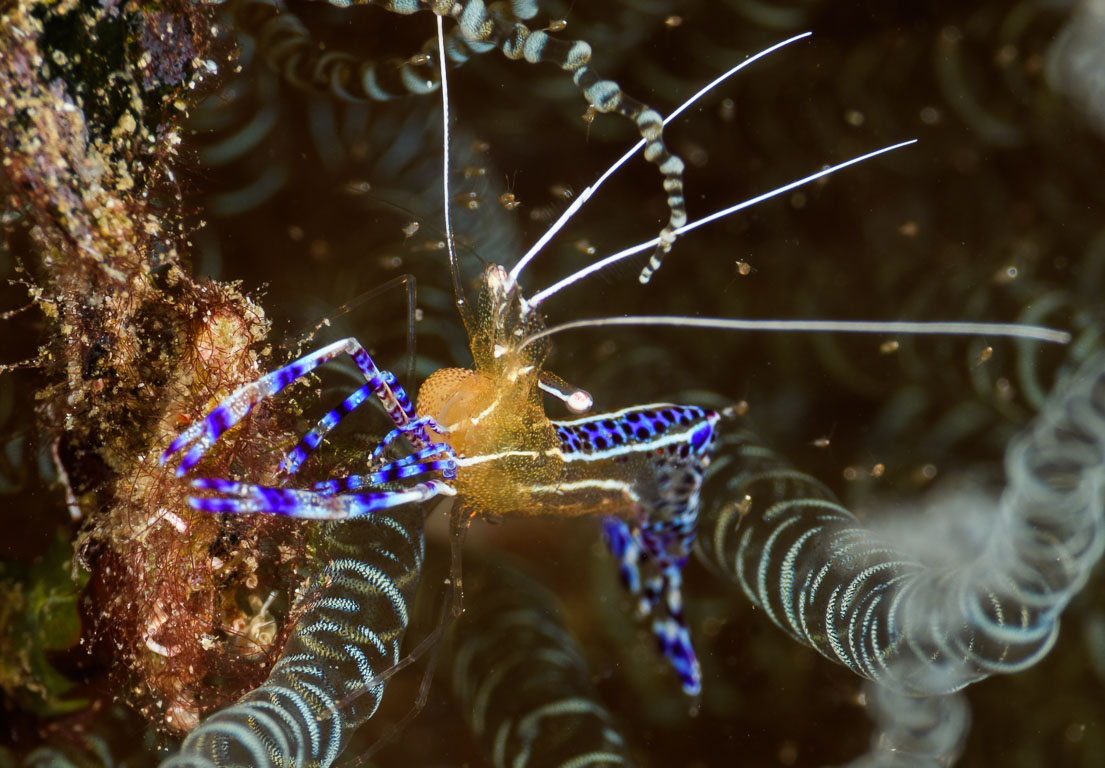
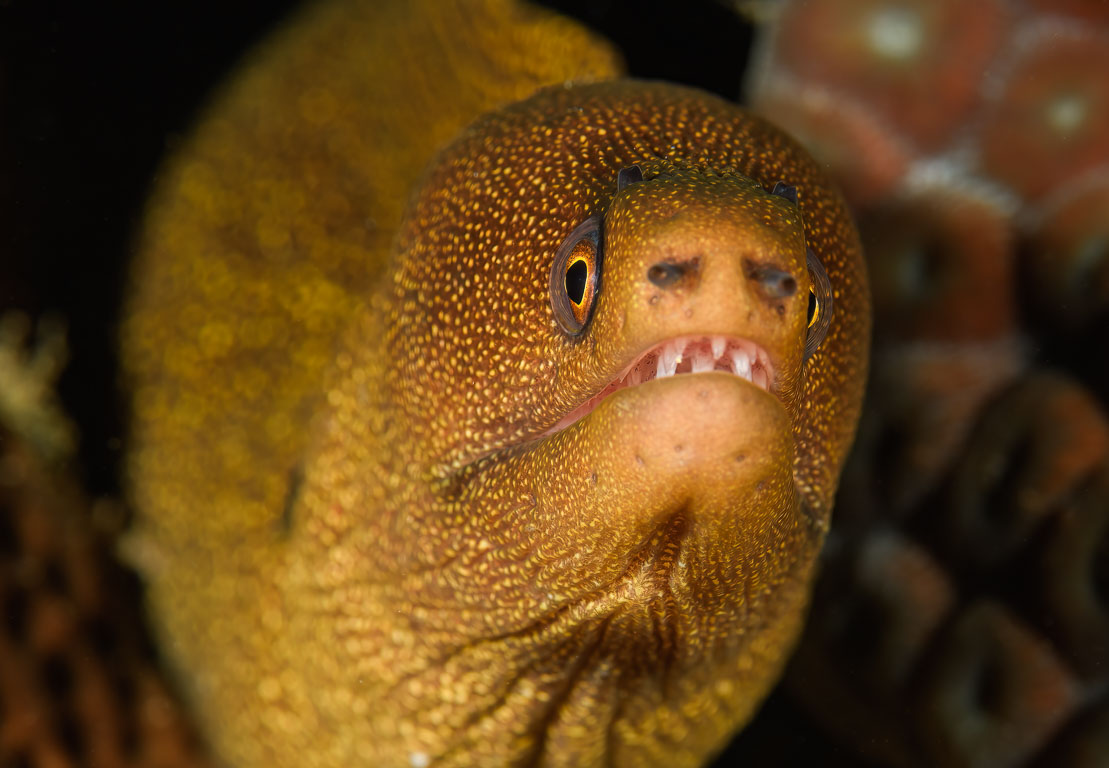
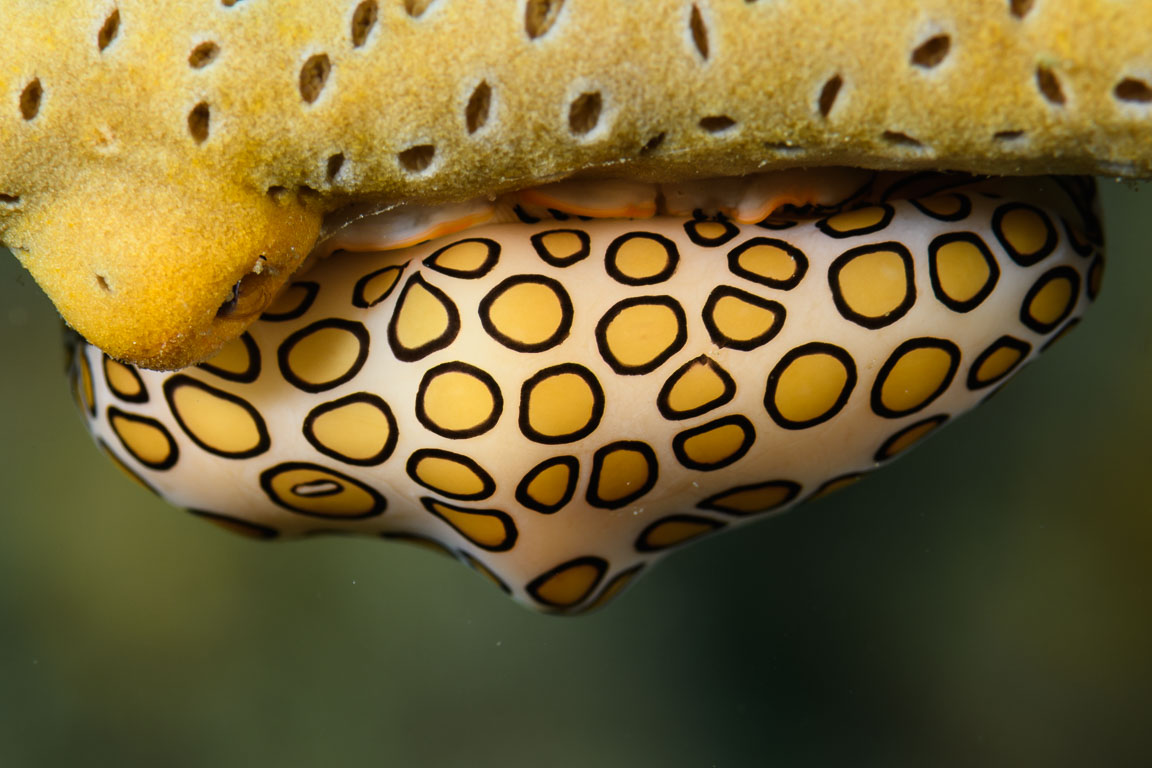
That does not mean that diving around Havana is uninteresting. Quite the opposite: the reefs support abundant small reef fish and invertebrates, and I found the local sites particularly interesting for macro photography. Among the animals I encountered were banded coral shrimp, yellowline arrow crabs, spotted cleaner shrimp, hermit crabs, and red snapping shrimp. Small animals and cryptic species can be surprisingly abundant even where the larger reef community is less impressive.
I explored several dive sites and dive operations along the coast, from east to west, including Tarará in Playas del Este, the Copacabana Dive Center in Miramar, Club Habana, Marina Hemingway, and Playa del Salado.
The greatest challenge during my visits was often not finding an interesting dive site but actually getting into the water. Dive operations could be highly unpredictable. Sometimes there was nobody available to organize a dive; on other occasions the boat was broken, transportation was unavailable, weather conditions were too rough, or some other unexpected problem prevented diving.
Once underwater, however, the experience could be remarkably individual. Many of my dives—including several night dives—were simply the guide and me. For underwater photography this was almost ideal: I could spend as much time as necessary with a small shrimp or crab without having to keep up with a larger group.
Havana therefore offers a rather different kind of Cuban diving. It does not have the spectacular walls and large predators of the southern coast, nor the exceptionally abundant large reef fish of Jardines de la Reina. Its attraction is the surprisingly diverse small-scale marine life that can be found close to one of the largest cities in the Caribbean.
My descriptions of the dive sites and dive operations are based on my visits to Havana over many years, particularly during the period when I was diving regularly in Cuba. They should not be interpreted as current information about local operators or conditions.